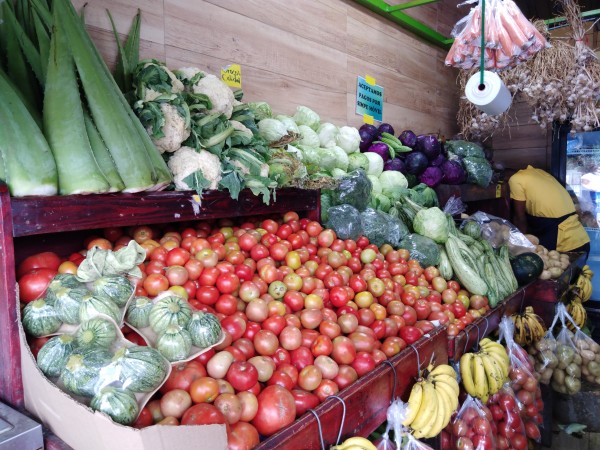
18 TOP Most popular vegetables in Costa Rica
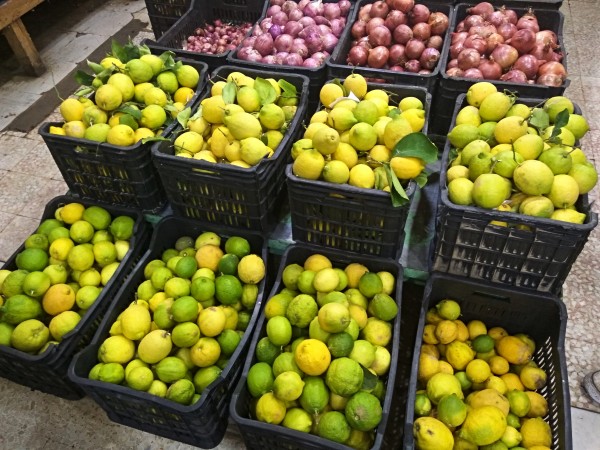
Vegetables offered in Costa Rica on local markets and by small street sellers are perfect in their imperfectness. Comparing them to what you can get in a supermarket is rather impossible. Just look at them!
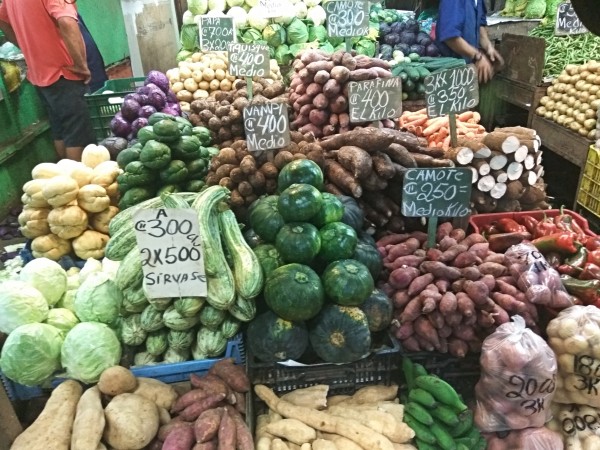
Tropical tubers in Costa Rica
Tropical tubers are full of vitamins, minerals and healthy carbs. They are packed with important nutrients, that will surely be needed before and after a strenuous hike or an active day. Some of them you will probably know very well, but some of them might be completely new for you and never seen before.
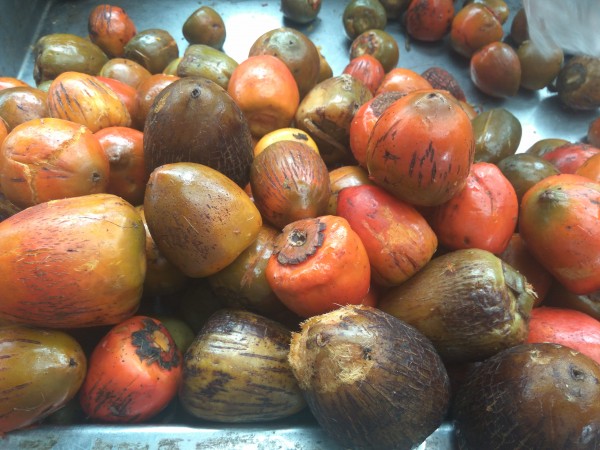
5 TOP ‘Tico’ vegetables
Which vegetables come to your mind when you think about Costa Rica? Beans or some tubers? However there are also palm tree fruits - pejibaye and yucca flowers - 'las flores de izote'. And remember about tamales in banana leaves. Here we list vegetables and plants that not only are very popular, but also somehow typical and partially unique.
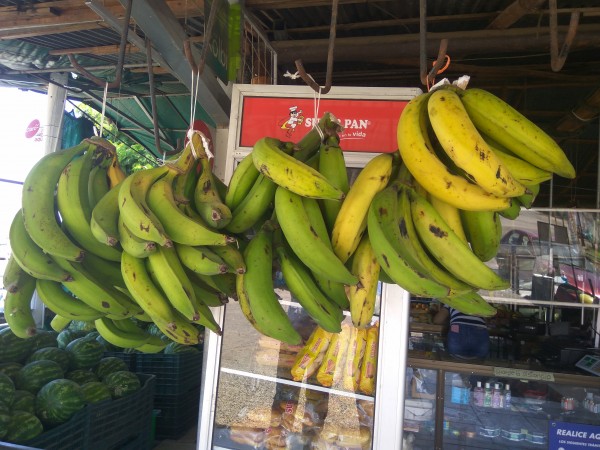
How to distinguish plantains and bananas – their culinary use and nutrition values
Although, at the first glance both fruits look similarly, there are some differences that allow us to distinguish them. If you are confused which is which and how to use them, read the post!
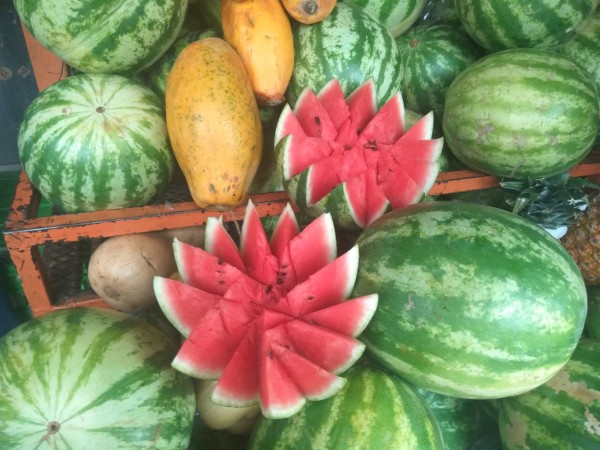
8 TOP most popular Costa Rican fruits and their health benefits
Costa Rica with its wonderful climate is a good place for all fruit lovers. With a lot of sun, abundant rains and different landscapes across the country, this small country offers a great number of wonderful fruits.
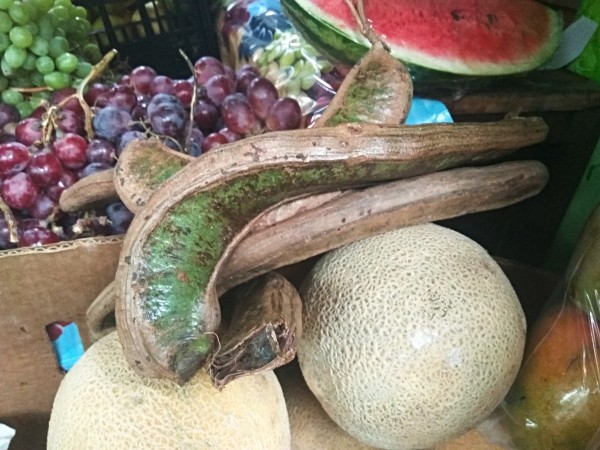
TOP 9 Exotic Costa Rican fruits and their health benefits
Colorful, in different shapes and sizes. Green, orange, yellow, red, violet and white – all these exotic fruits are beautiful, intriguing and full of health benefits. Although, strange in taste at the beginning, after a couple of times, you will like them more and more.
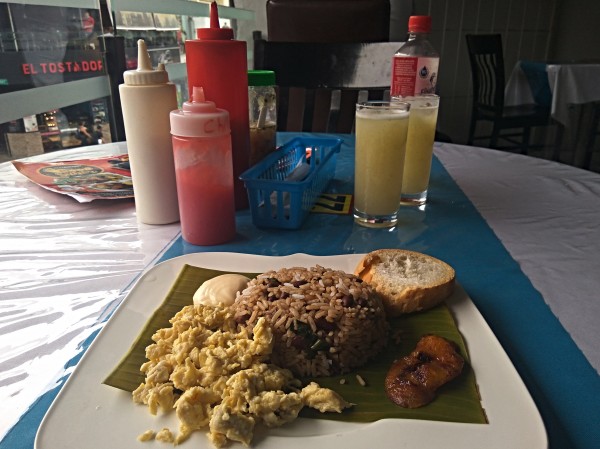
Desayuno ‘Tico’ style – a traditional Costa Rican breakfast
There is nothing better to start your day than a good cup of coffee and a rich and healthy breakfast. - choose a traditional Costa Rican ‘Tico’ style breakfast.

Costa Rican coffee - is it good?
Coffee is one of the most liked drinks around the world. Not only gives it pleasure, but also unifies people. Drinking coffee is a way of spending time, celebrating the brewing process and tasting roasted beans’ aromas.

What to pack for a trekking in National Parks in Costa Rica?
Be prepared for a trekking in different National Parks and Reserves in Costa Rica. Check what to take with you and what is not allowed.
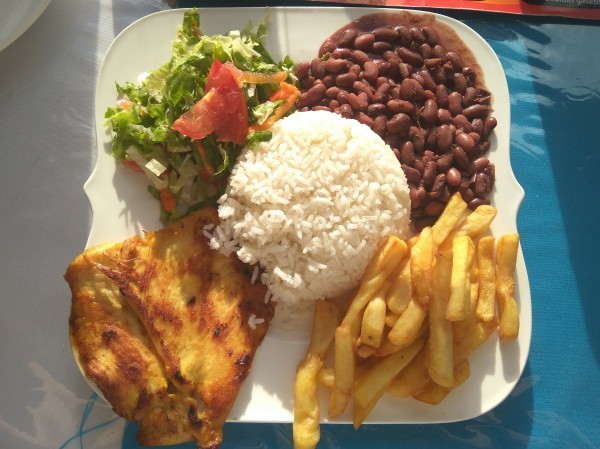
What is Casado in Costa Rica?
There are two main names of meals that you have to know when you are in Costa Rica. That is Gallo Pinto and Casado. While the first one is what you will probably always have for your traditional Costa Rican breakfast, the second one is eaten for a lunch or dinner.