
Participate in an exclusive afternoon Cocoa Tea session by “Ba'b'ay Savoir-Faire”
In accordance with the rising “wellness” trend, Ba'b'ay byLhing Luxury and Nasinterpast Group has developed a new product of premium cocoa tea under the name “Ba'b'ay Savoir-Faire” crafted by Khun Chetsupa Laorrattanasak (Lhing), the specialist in fusion food and alternative food for health along with Khun Ratchadet Suksin (Chang), the fashion specialist who is the new partner of “Ba'b'ay Savoir-Faire” tea.
CONTINUE READING

So Heng Tai Mansion - a Chinese gem in the middle of Talad Noi, Bangkok
So Heng Tai Mansion has stood alongside the Chao Phraya River for 230 years. It has been owned by seven owners. Nowadays, this Chinese Mansion opens as a cafe that allows visitors to appreciate its beauty along with a homemade drink.
CONTINUE READING

Bangkok Elephant Parade - Part 3 (Talad Noi pedestrian streets)
Walk on Talad Noi pedestrian streets and spot natural size baby elephants!
CONTINUE READING

Bangkok Elephant Parade - Part 2 (along main streets)
Stroll along main streets of Talad Noi and participate in the Bangkok Elephant Parade 2024/2025.
CONTINUE READING

Movement - a solo exhibition by ANST - River City, Bangkok, Thailand
Experience the artistry of Anusorn Thonthong’s first solo exhibition presented by Gallery TR - a creative collaboration between River City Bangkok and Trendy gallery.
CONTINUE READING

Bangkok Elephant Parade - Part 1
Elephant Parade is a social enterprise and runs the world’s largest art exhibition of decorated elephant statues. Created by artists and celebrities, each Elephant Parade statue is a unique art piece. The life-size, baby elephant statues are exhibited in international cities and raise awareness for the need of elephant conservation.
CONTINUE READING
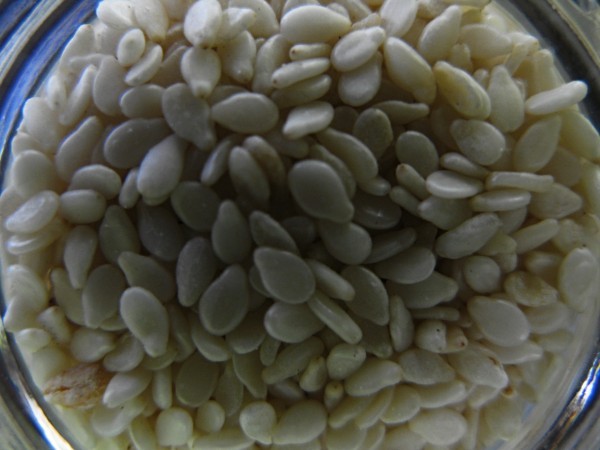
Goma Dofu: The Silky Sesame Tofu From Japan’s Ancient Temples
Goma dofu, or sesame tofu, is a delicately textured, savory dish that’s a beloved part of Japanese Buddhist temple cuisine (shojin ryori).
CONTINUE READING
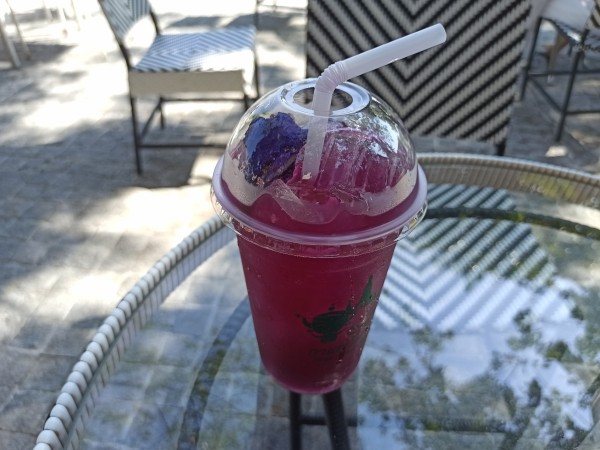
Butterfly Pea Tea: The Magical Herbal Drink That Changes Color
One of the most enchanting drinks I tried in Thailand wasn’t from a fancy café—it was from a roadside vendor in Chiang Mai.
CONTINUE READING
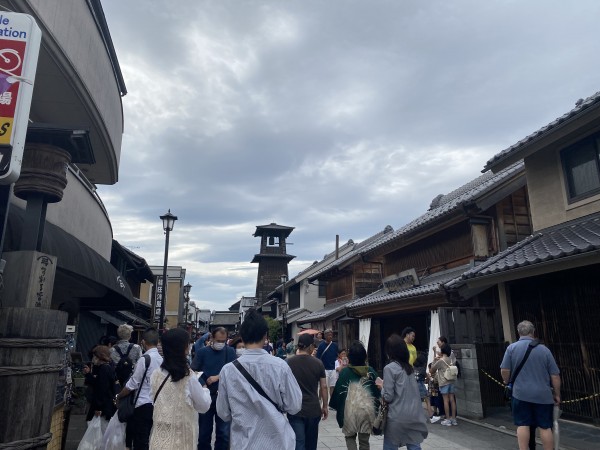
Discover Kawagoe: Your Ultimate Guide to Tokyo’s Little Edo
Embark on a journey to Kawagoe and immerse yourself in the timeless beauty of Little Edo. Whether you're a history enthusiast, a foodie, or simply seeking a peaceful escape from Tokyo, Kawagoe offers a unique and enriching experience.
CONTINUE READING
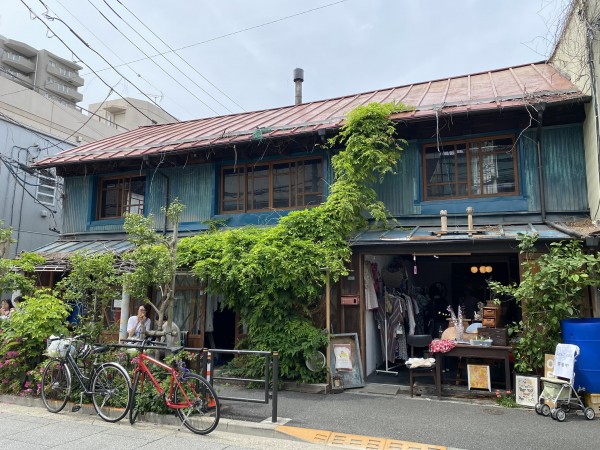
Discovering gems and cultural sights of Yanaka during a nice stroll
Yanaka is a part of Taito. The name Yanaka appeared for the first time during the Edo period to describe the area that was situated between hills of Ueno and the valley of Hongodai, known also as Shitaya. The concentration of Buddhist temples in this area is a consequence of the urban architecture design from the Edo period. Starting from that moment, Yanaka became the area known as the “city of temples and colins”.
CONTINUE READING
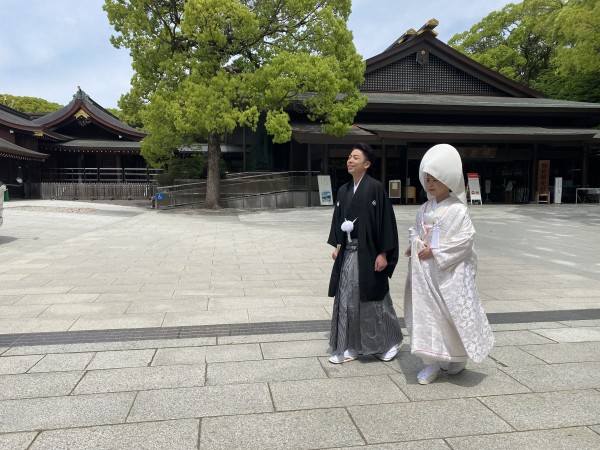
Meiji Jingu Shrine in Tokyo
Meiji Jingu is dedicated to the divine soul of Emperor Meiji and his consort Empress Shoken (their tombs are in Kyoto). Emperor Meiji passed away in 1912 and Empress Shoken in 1914. After their demise, people wished to commemorate their virtues and to venerate them forever. Thanks to the sincere heart of the people, this shrine with the forest was established on November 1, 1920.
CONTINUE READING
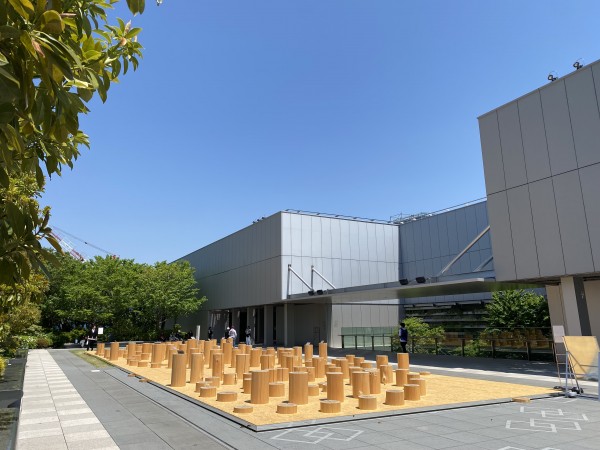
Starbucks with a View: Rooftop Garden at GINZA SIX in Tokyo
Matsuzakaya Ginza store opened as the first department store in Ginza in December 1924, a year after the Great Kanto Earthquake, leading the recovery of Ginza. The approximately 43-meter-high building, which had eight floors above ground and the basement, was the tallest in Ginza at that time.
CONTINUE READING
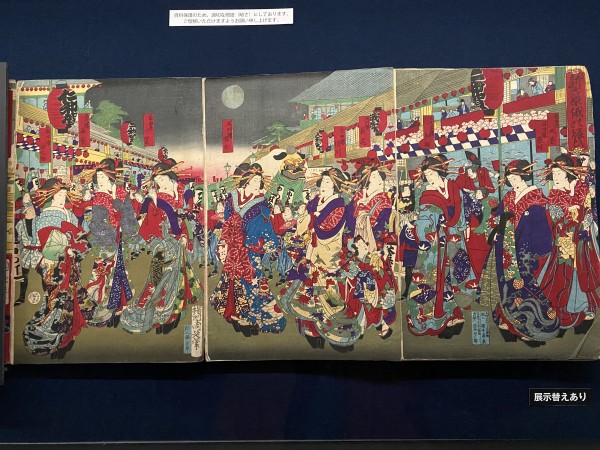
Special Days in Edo - Decorated City and People
Tokyo finds its origin in a city originally called “Edo”. After Tokugawa Ieyasu moved to Edo in 1590, he excavated canals and reclaimed the inlets of Tokyo Bay to develop towns for people to live in. This was the beginning of Edo, which evolved into one of the largest metropolises in the world.
CONTINUE READING
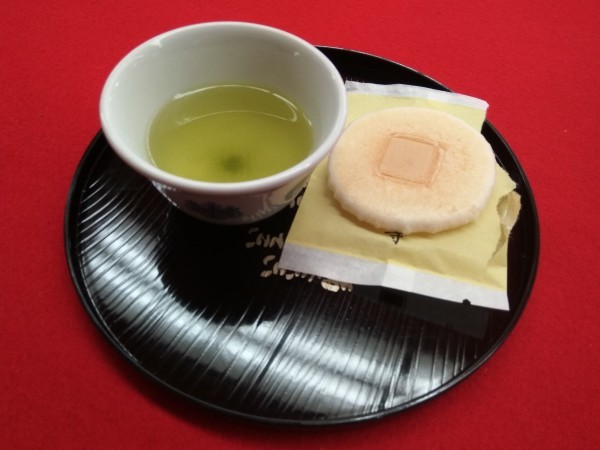
Japanese Tea Types
Tea was introduced to Japan by the Buddhist priest Eisai at the end of the 12th century. Eisai gave tea seeds to the Buddhist monk Myoe and that seeds become the basis for Uji tea after being sowed in Toganoo, Kyoto. Uji in terms both f geography and climate, is suitable for tea growing. Therefore, Uji tea become famous for producing high-quality tea.
CONTINUE READING
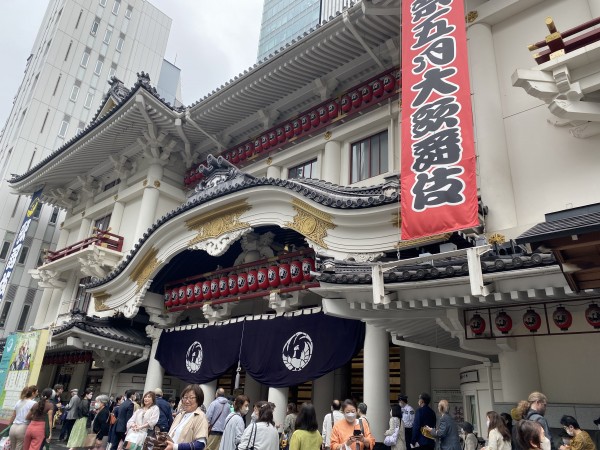
Tokyo Higashi-Ginza Starbucks before a single act in Kabukiza Theatre Play
Kabuki is recognized internationally as one of Japan’s great performing arts with 400 years of history. Essentially a popular theatre has always reflected the tastes and fashions of the townspeople of that time. Buy a Sigle Act ticket and have an unforgettable experience.
CONTINUE READING
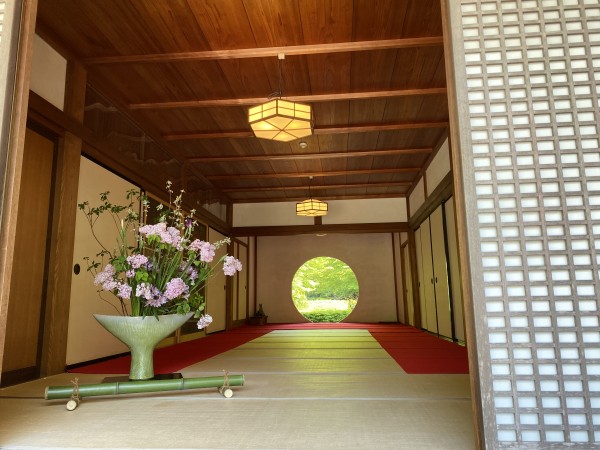
Visit National Historic Site – Meigetsu-in Temple in Kamakura
Visit National Historic Site – Meigetsu-in, the temple with Kannon Bodhisattva as the main image of worship. The temple that was founded in the year 1160 as “Meigetsu-an” (Bright Moon Hermitage) by Yamanouchi Tsunetoshi.
CONTINUE READING
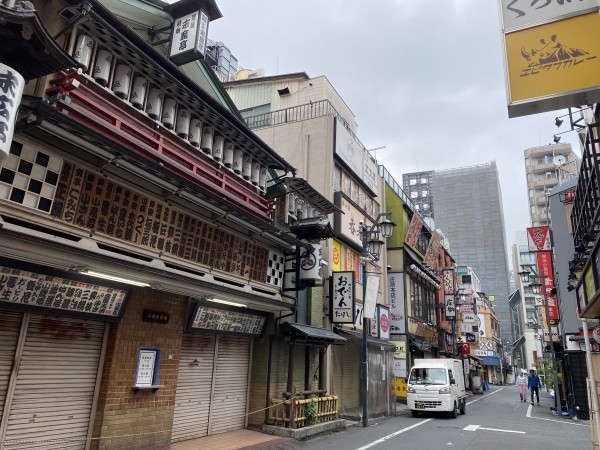
Shinjuku Must-see Spots Route
See the best places in Shinjuku during 8 active hours. Don’t miss photo spots and enjoy a leisure walk through Shiki-no-michi Street that is a comfortable path full of greenery.
CONTINUE READING
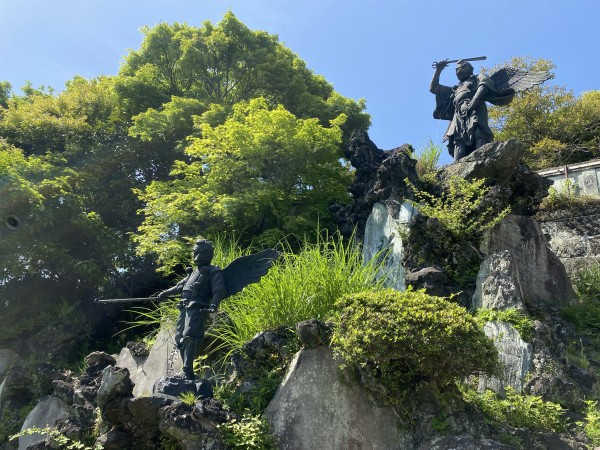
The Head Temple of the Kenchoji School of Rinzai Zen in Kamakura
With more than 400 branch temples in Japan, Kenchoji Temple ranks first among the Five Great Zen Temples in Kamakura. The formal name is Kofukusan Kenchoji. Founded in 1253 by Hojo Tokiyori (1227-1263), the fifth regent of the Kamakura shogunate, it was the first Zen temple in Japan.
CONTINUE READING
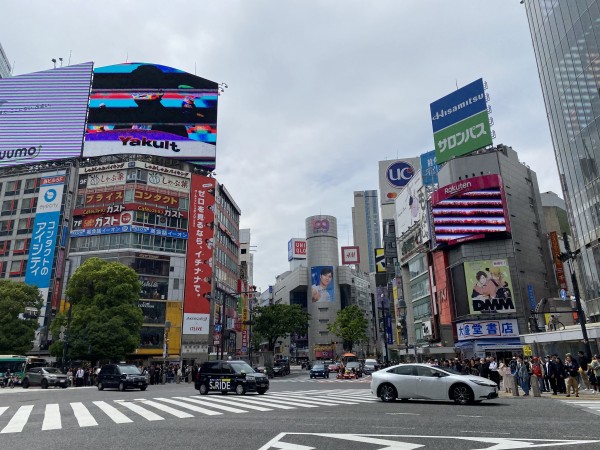
1-Day, everything-in-1 tour of Tokyo’s top spots
A recommended tour to explore the city and suburbs. See the best of the city during a one day tour during which you will visit temples and museums. You will have some time to relax in parks and then do some shopping in vibrant streets of Asakusa.
CONTINUE READING
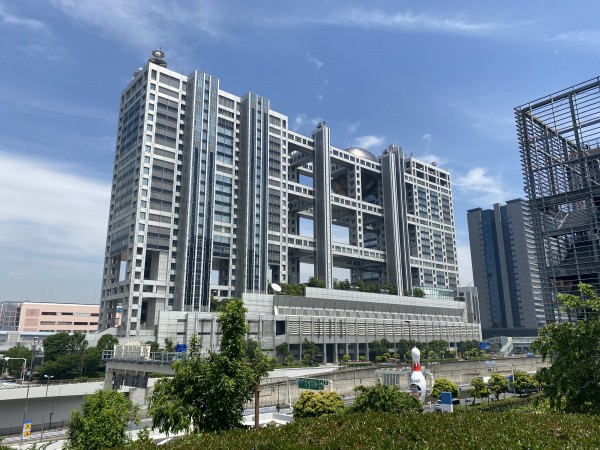
Explore Tokyo – City & Suburbs
From Anime pop culture hotspot to stylish spots for a night on the town, discover an endless array of places for all kinds of fun in Tokyo. Visit best places in the city center of Tokyo and its suburbs.
CONTINUE READING


